can the keto diet cause gallbladder issues Ketogenic diet diabetes type 1
A ketogenic diet, also known as a keto diet, has gained popularity in recent years due to its potential benefits for individuals with diabetes type 1. This low-carbohydrate, high-fat diet has been shown to help manage blood sugar levels, improve insulin resistance, and promote weight loss.
Ketogenic Diet and Diabetes Type 1
A ketogenic diet involves significantly reducing carbohydrate intake while increasing the consumption of healthy fats. By doing so, the body enters a state of ketosis, where it starts using fat as its primary source of energy instead of glucose.
This can be particularly beneficial for individuals with diabetes type 1 because it reduces the need for insulin. Since carbohydrates are the main source of glucose in the body, limiting their intake can help stabilize blood sugar levels and reduce the risk of insulin spikes.
In addition, a ketogenic diet has been shown to improve insulin sensitivity. Insulin, a hormone produced by the pancreas, helps regulate blood sugar levels. By improving insulin sensitivity, the body becomes more efficient at using the insulin it produces, which can lead to better blood sugar control.
Furthermore, following a ketogenic diet may aid in weight loss. Obesity and excess weight can worsen the symptoms of diabetes type 1 and increase the risk of complications. The high-fat content of a keto diet helps keep you feeling full and satisfied, potentially leading to reduced calorie intake and weight loss.
Tips for Hair Growth
While a ketogenic diet can offer many benefits for individuals with diabetes type 1, some people may experience hair loss as a side effect. This can be attributed to several factors, including nutrient deficiencies and hormonal changes.
Here are some tips to promote hair growth while following a keto diet:
- Eat a Balanced Diet:
Ensure you are getting all the necessary nutrients by consuming a variety of whole foods. Include plenty of protein-rich sources such as lean meats, fish, eggs, and plant-based proteins like legumes and tofu. Additionally, incorporate plenty of fruits and vegetables to provide essential vitamins and minerals for healthy hair growth.
- Consider Supplements:
If you suspect you may be deficient in specific nutrients, consider discussing with a healthcare professional about taking supplements. Supplements like biotin, zinc, and iron are known to promote hair growth and strengthen hair follicles.
- Stay Hydrated:
Drinking an adequate amount of water is crucial for overall health, including hair health. It helps transport essential nutrients to the hair follicles, promoting growth and preventing dryness and breakage.
- Manage Stress Levels:
Stress can contribute to hair loss. Incorporate stress-management techniques into your daily routine, such as meditation, deep breathing exercises, or engaging in activities you enjoy.
- Avoid Excessive Heat Styling:
Using heat styling tools frequently can cause hair damage and breakage. Minimize the use of blow dryers, flat irons, and curling irons, or use them on a low heat setting to reduce the risk of hair loss.
By following these tips, individuals following a ketogenic diet can promote healthy hair growth and minimize the risk of hair loss.
 Ketogenic Diet Diabetes Type 1 - Healthy Diet Life - HealthGrean
A ketogenic diet can be an excellent dietary approach for individuals with diabetes type 1. With its ability to stabilize blood sugar levels, improve insulin resistance, and promote weight loss, it offers potential benefits for managing this condition. However, it is essential to consult with a healthcare professional before making any significant dietary changes, as individual needs and medical considerations may vary.
 Keto Hair Loss: Causes and Tips for Hair Growth
While following a ketogenic diet can offer numerous health advantages, some individuals may experience hair loss as a potential side effect. This can be attributed to factors such as nutrient deficiencies and hormonal changes. However, adopting a well-rounded approach to hair care, including consuming a balanced diet, considering supplements if necessary, staying hydrated, managing stress levels, and avoiding excessive heat styling, can help promote hair growth and minimize hair loss.
Remember, it is essential to consult with a healthcare professional or nutritionist before making any significant dietary changes or starting a new supplement regimen.
Disclaimer: The above information is for informational purposes only and does not constitute professional medical advice. Please consult with a healthcare professional before making any dietary or lifestyle changes.
If you are searching about Can Keto Diet Cause Diabetes? you’ve visit to the right page. We have 5 Pics about Can Keto Diet Cause Diabetes? like Keto Hair Loss: Causes and Tips for Hair Growth, 21 Of the Best Ideas for Keto Diet without A Gallbladder - Best Recipes Ideas and Collections and also Can Keto Diet Cause Diabetes?. Read more:
Can Keto Diet Cause Diabetes?
 authentic-keto.comketo
Keto Diarrhea Issues - Ketogenic Diarrhea During Keto Diet - Bee Healthy
 www.beehealthy.orgdiarrhea constipation ketogenic constipated risks everydayhealth successfully
21 Of The Best Ideas For Keto Diet Without A Gallbladder - Best Recipes Ideas And Collections
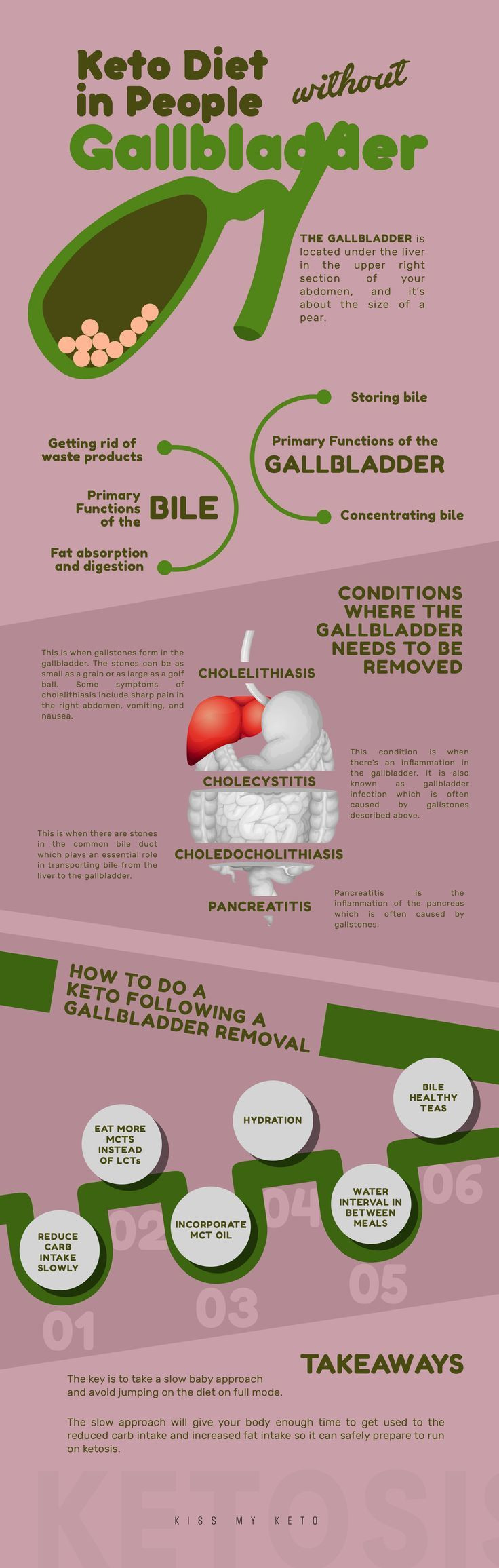 momsandkitchen.comgallbladder kissmyketo
Keto Hair Loss: Causes And Tips For Hair Growth
vegamour.comKetogenic Diet Diabetes Type 1 - Healthy Diet Life - HealthGrean
healthgrean.comketogenic healthgrean
Ketogenic diet diabetes type 1. 21 of the best ideas for keto diet without a gallbladder. Keto diarrhea issues